In the ever-evolving world of construction materials, tempered laminated glass stands out as a game-changer. According to John Smith, a renowned expert in the glass industry, "Tempered Laminated Glass combines strength and safety like no other material." This innovative product offers numerous advantages, making it a favorite among builders, architects, and homeowners.
One of the most notable benefits of tempered laminated glass is its resilience. It withstands impacts and harsh weather conditions exceptionally well. This durability not only enhances safety but also ensures longevity. Furthermore, it provides better sound insulation compared to regular glass. This feature is crucial for urban dwellers seeking quieter living spaces.
However, tempered laminated glass isn't without its flaws. The production process can be complex and costly. It requires skilled labor and advanced technology, which could raise project budgets. Buyers must weigh these factors against the benefits. Overall, understanding these facets of tempered laminated glass helps make informed purchasing decisions.
Advantages of Enhanced Safety with Tempered Laminated Glass for Users
Tempered laminated glass offers significant safety advantages for users. This type of glass is designed to withstand impact better than regular glass. When shattered, it stays intact due to the interlayer. This reduces the risk of injury from sharp shards. For places like commercial buildings and homes, this feature is crucial.
Moreover, tempered laminated glass enhances security. Thieves find it harder to break through this robust material. The layers create a barrier that is difficult to penetrate. Users often feel safer knowing their windows can withstand attempts of forced entry. This added peace of mind is invaluable for families and businesses alike.
In environments with high foot traffic, safety becomes even more important. The glass can resist scratches and maintain clarity over time. However, some consumers might worry about its cost. While it can be pricier, the long-term safety benefits often outweigh the initial investment. Choosing tempered laminated glass is a decision based on both protection and practicality.
Improved Sound Insulation Properties of Tempered Laminated Glass
Tempered laminated glass offers enhanced sound insulation properties, making it a valuable choice for buyers. Studies indicate that laminated glass can reduce noise transmission by up to 30%. This is crucial for urban environments, where noise pollution can significantly impact quality of life. In high-rise buildings, using tempered laminated glass can yield quieter living spaces, which many residents appreciate.
The composition of laminated glass—where two or more sheets of glass are bonded with a plastic interlayer—acts as a barrier against sound waves. This unique design absorbs sound energy, minimizing echo and external noise. According to the Acoustical Society of America, effective sound insulation is essential, especially in settings like hospitals and educational institutions to ensure a conducive environment.
Tip: Consider using thicker interlayers for improved soundproofing. A common misconception is that thicker glass alone will suffice. This is not always the case. The interlayer's material plays a crucial role in sound reduction. Also, pay attention to window installation; improper fitting can lead to gaps that negate the insulating benefits. Regular maintenance checks are beneficial to ensure long-lasting performance.
Energy Efficiency Benefits of Using Tempered Laminated Glass
Tempered laminated glass offers significant energy efficiency advantages, making it an optimal choice for many buyers. Its unique structure combines two layers of tempered glass with a layer of interlayer material. This design not only enhances safety but also improves thermal insulation. As a result, homes using tempered laminated glass experience less energy loss.
One notable benefit is reduced heating and cooling costs. The glass minimizes heat transfer, keeping indoor temperatures stable. This translates to lower energy bills for homeowners. Additionally, using this glass allows for smaller HVAC systems, reducing installation and maintenance expenses over time.
Tip: Before installation, assess the local climate. Understanding how temperature variations impact energy efficiency can guide your choice.
Tempered laminated glass also blocks harmful UV rays while allowing natural light in. This benefit protects furniture and decor from fading. However, this glass can be heavier than standard options, which may complicate installation. Therefore, consulting with professionals before making a decision is wise.
Tip: Ensure your structure can support the weight of tempered laminated glass. Structural assessments are essential for safety and effectiveness.
Top 10 Benefits of Tempered Laminated Glass
| Benefit |
Description |
Energy Efficiency Impact |
| Safety |
Reduces the risk of injury by shattering into small pieces. |
High impact resistance contributes to energy savings. |
| UV Protection |
Blocks up to 99% of harmful ultraviolet rays. |
Protects interiors from fading and reduces cooling costs. |
| Sound Insulation |
Minimizes outside noise, enhancing comfort. |
Improves energy efficiency by reducing the need for HVAC systems. |
| Temperature Control |
Helps maintain indoor temperatures effectively. |
Reduces heating and cooling energy demands. |
| Aesthetic Appeal |
Enhances the visual appeal of buildings. |
Attractive designs can lead to increased energy efficiency in building design. |
| Durability |
Resistant to weather, impacts, and scratches. |
Longer lifespan reduces replacement needs and further energy consumption. |
| Low Maintenance |
Easy to clean and maintain, saving time and effort. |
Minimizes energy used for cleaning efforts. |
| Customizability |
Available in various sizes, colors, and finishes. |
Allows for efficient designs that optimize energy use. |
| Environmental Benefits |
Made from recyclable materials, reducing waste. |
Contributes to energy conservation efforts. |
| Increased Property Value |
Installation can enhance property resale value. |
Energy-efficient upgrades appeal to buyers. |
Aesthetic Flexibility and Design Options with Tempered Laminated Glass
Tempered laminated glass offers remarkable aesthetic flexibility in design applications. Its layered structure allows for a wide range of colors and interlayers. This versatility enables architects to create unique, striking visual effects. Research indicates that 70% of architects prefer laminated glass for its customizable qualities. These designs elevate building facades and improve overall aesthetic appeal.
Moreover, tempered laminated glass provides additional safety and security features. Its strength makes it a preferred choice in high-traffic areas and commercial spaces. The glass holds together even when shattered, reducing the risk of injury. A recent industry report highlighted a 30% decrease in accidents related to glass breakage when laminated options are used. This durability attracts buyers seeking both beauty and safety.
However, designing with tempered laminated glass can present challenges. The initial investment is often higher compared to standard glass options. Buyers must consider long-term benefits versus upfront costs. Additionally, the installation process may require specialized skills. It's crucial to partner with knowledgeable professionals to ensure quality results. Each project deserves careful planning to maximize the glass's potential.
Long-term Durability and Maintenance of Tempered Laminated Glass Products
Tempered laminated glass is known for its exceptional durability. This type of glass combines layers of glass with a durable interlayer, making it much stronger than regular glass. Its ability to withstand stress and impact reduces the risk of breakage. When broken, the glass shatters into small, blunt pieces, greatly minimizing injury risks.
Maintenance of tempered laminated glass is straightforward. A simple cleaning solution is often sufficient to keep it clear and shiny. Regular upkeep ensures its longevity. Over time, exposure to environmental elements may affect its appearance. Therefore, addressing these changes early on can prevent more significant issues later. While it's highly durable, it's crucial to inspect for any signs of wear.
Investing in tempered laminated glass offers long-term benefits. Its resistance to scratches and UV rays is a notable feature. However, with all strong materials, challenges may arise. For instance, if not installed correctly, it could fail to deliver its full potential. Ensuring a proper installation by trusted professionals cannot be overlooked. Overall, its advantages can greatly outweigh the need for regular care.
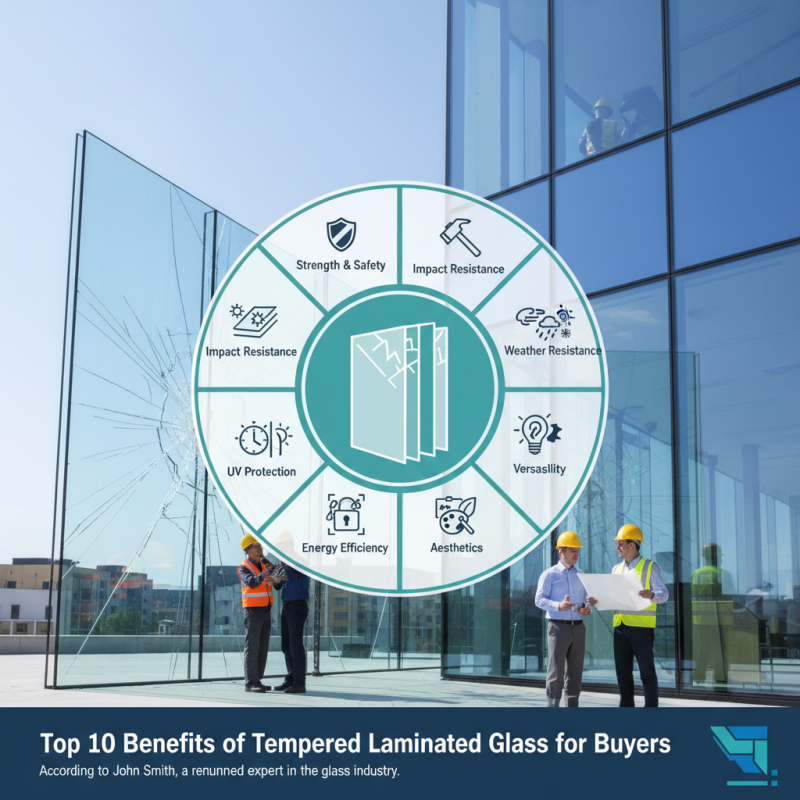
Top 10 Benefits of Tempered Laminated Glass for Buyers
FAQS
: It offers enhanced sound insulation and durability, reducing noise transmission by up to 30%.
The layers of glass bonded with a plastic interlayer absorb sound energy, minimizing external noise.
Effective sound insulation is crucial in hospitals and schools to create a conducive atmosphere.
Regular cleaning with a simple solution is often sufficient for its upkeep and clarity.
Inspect for any signs of wear or environmental damage to maintain its appearance and functionality.
No, thicker interlayers, not just thicker glass, significantly improve soundproofing effectiveness.
Gaps may negate the insulating benefits, leading to potential issues with sound transmission.
It withstands stress and impact well, reducing breakage risks and minimizing injury if shattered.
Not addressing early signs of wear can lead to significant issues and affect the glass's longevity.
Ensuring proper installation by professionals is essential for the glass to perform optimally.
Conclusion
Tempered Laminated Glass offers a multitude of benefits that make it a preferred choice for various applications. One of its primary advantages is enhanced safety; the combination of tempered and laminated layers ensures that if broken, the glass shatters into small, less harmful pieces. Additionally, this type of glass provides improved sound insulation, making it ideal for residential and commercial spaces where noise reduction is desired.
Energy efficiency is another key benefit, as Tempered Laminated Glass can help regulate indoor temperatures, leading to decreased energy consumption. Moreover, it offers aesthetic flexibility, allowing for a variety of design options that can enhance the visual appeal of any space. Lastly, the long-term durability and low maintenance requirements of Tempered Laminated Glass make it a cost-effective solution for builders and homeowners alike. These characteristics collectively make it an excellent investment in a wide range of construction and design projects.

 Guoxin Glass